In 2026, one of the biggest challenges in dropshipping is product saturation. Many store sells the same items from the same suppliers, making it difficult to build trust, avoid price wars, or generate repeat purchases.
This is where private label dropshipping becomes a powerful advantage.
Instead of relying on short-term trending products, sellers can build a recognizable ecommerce brand through custom logos, branded packaging, and a consistent customer experience. With the right fulfillment partner like AK Dropshipping, transitioning from a generic store to a branded business is more achievable than ever.
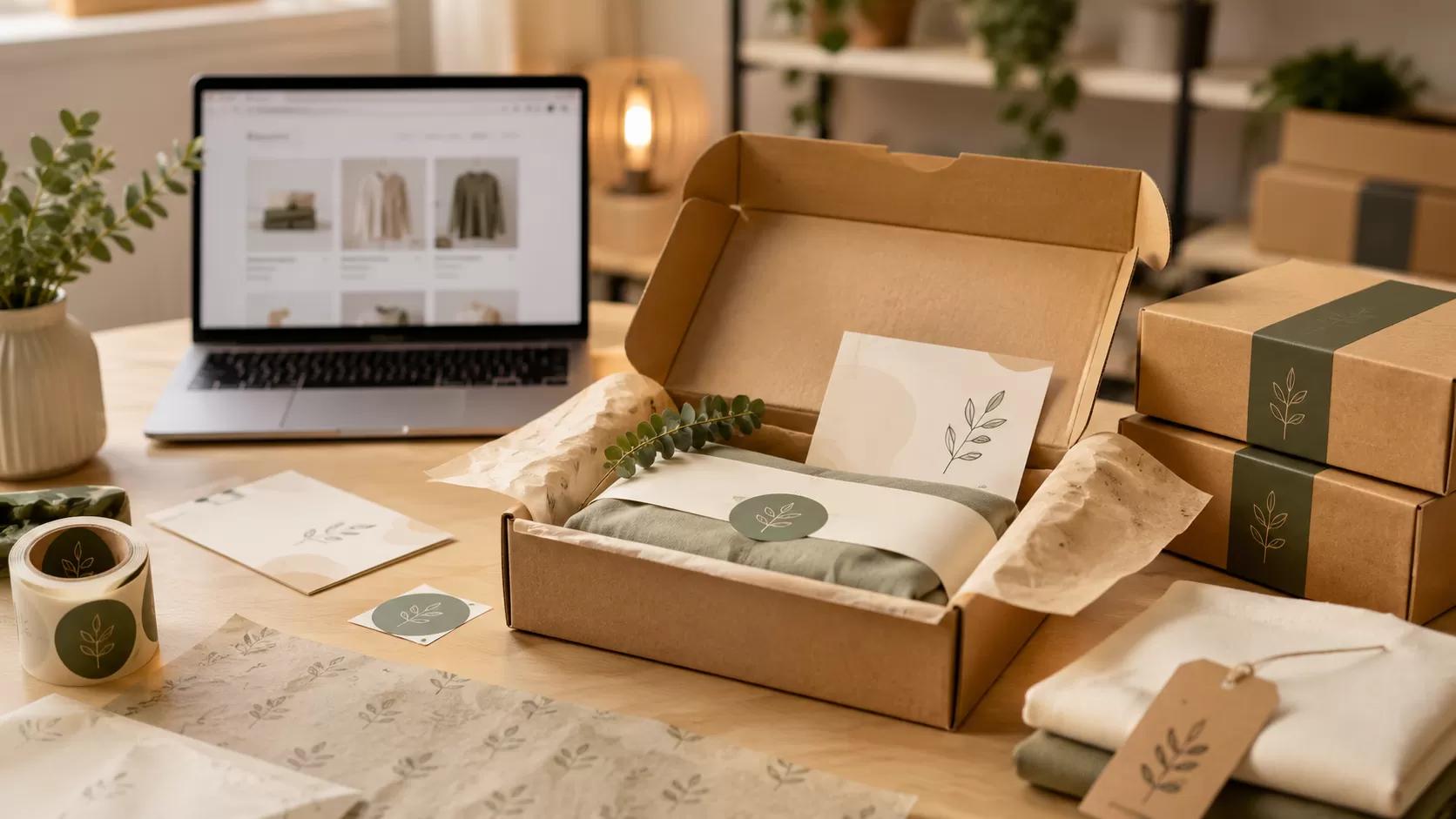
Private label dropshipping is an e-commerce fulfillment model where an independent online store sell custom-branded products produces by a third-party manufacturer, shipped directly to the consumer without holding upfront inventory.
Generic dropshipping products are usually sold without a clear brand identity. Many stores may offer the same item with similar images, descriptions, and packaging—leading to the intense price competition. Private label products are sold under the seller's own brand. They may include custom logos, branded packaging, product inserts, or a more consistent unboxing experience.
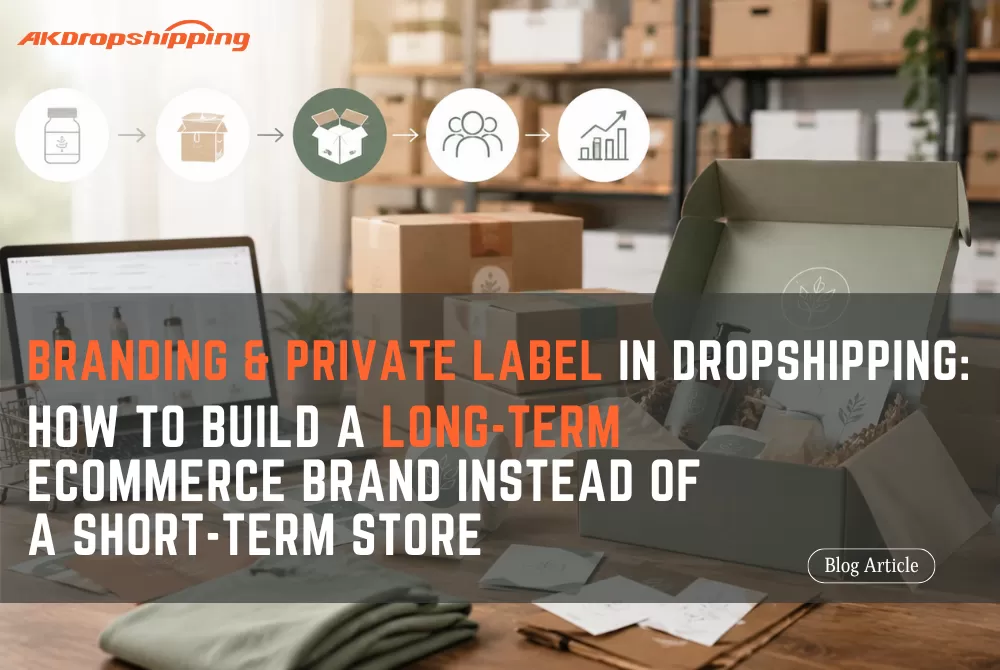
The process is straightforward:
Select a product with proven demand
Work with a fulfillment partner to customize branding
Apply logo printing, packaging and inserts
Store inventory (optional)
Ship directly to customers
This model allows sellers to build a brand without owning factories or managing logistics.
As dropshipping competition grows, low prices alone are not enough to win customers. Private label helps sellers differentiate their online stores, build customer trust, and reduce direct comparison with generic competitors.
It also supports repeat purchases. When customrs remember the brand and enjoy the shopping experience, they are more likely to buy again.
Customers care about product quality, but they also notice packaging, communication, trust signals, and overall experience. A branded product often feels more reliable than an unbranded one.
Branding can increase customer lifetime value because buyers are more likely to remember the store, return for future purchases, and recommend it to others.
A consistent logo, website style, packaging design, product message, and after-sales communication make the store look more professional and trustworthy.
A clear logo and consistent visual style help customers recognize the brand across the website, packaging, emails, and social media.
Packaging is often the customer's first physical contact with the brand. Branded packaging can make the product feel more valuable and encourage unboxing content.
Thank-you cards, instruction cards, discount cards, warranty cards, and branded stickers are simple ways to improve the post-purchase experience.
Branding also includes order emails, tracking updates, customer support, and after-sales messages. Clear communication can improve satisfaction and reduce complaints.
Private label services may include logo printing, color options, product labels, packaging design, and branded inserts. These options help products feel more unique and harder to copy.
Custom packaging improves product presentation and protects the item during shipping. It works especially well for beauty products, fashion accessories, home goods, pet products, gifts, and lifestyle items.
Branded products often need better inventory planning. Warehousing support allows sellers to prepare stock in advance, reduce processing time, and support seasonal campaigns.
For sellers targeting multiple countries, global fulfillment helps maintain a more consistent delivery and packaging experience across markets.
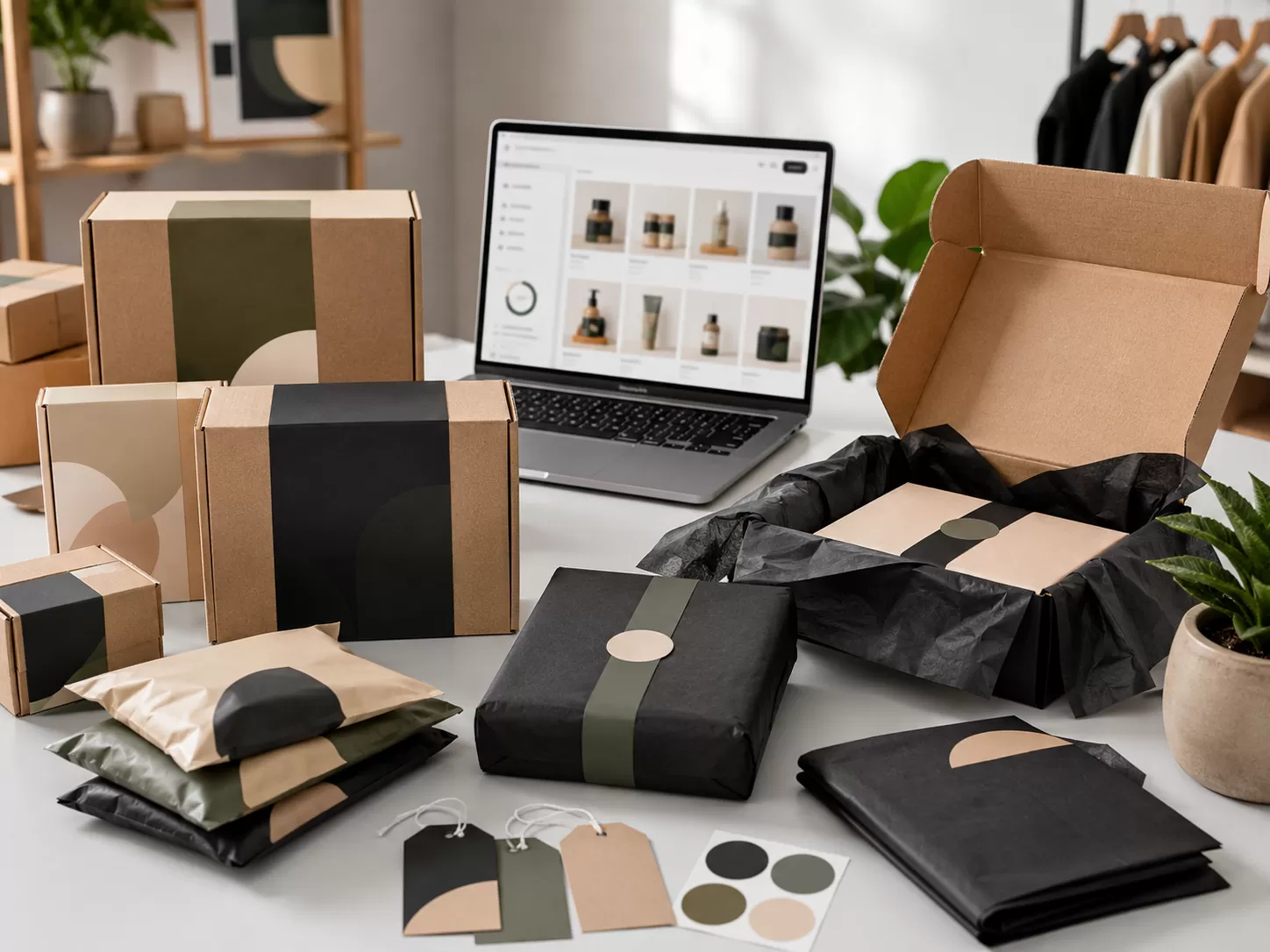
Before investing in branding, sellers should test product demand, profit margin, customer feedback, and repeat purchase potential.
Start with low-risk branding elements such as logo stickers, thank-you cards, instruction cards, or branded inserts.
After sales become stable, sellers can move to custom packaging, logo printing, and private label product sourcing.
The final step is to expand product lines, improve packaging, build repeat purchase campaigns, and create a consistent brand experience across every touchpoint.
Not every product is suitable for private label. Avoid products with weak demand, poor margins, low quality, or limited repeat purchase potential.
Poor packaging can make even a useful product feel cheap. Better presentation improves trust, reviews, and customer satisfaction.
Private label branding should not only focus on quick profit. Long-term growth depends on product quality, customer experience, and brand reputation.
If the website, packaging, emails, and social content all look different, customers may feel confused. Consistent messaging builds a clearer brand identity and makes the brand easier to remember.
AK Dropshipping helps ecommerce sellers move from basic dropshipping to branded fulfillment through product sourcing, private label support, custom packaging, warehousing, and global shipping.
AK Dropshipping can help sellers add logos to selected products or packaging materials, making the store look more professional.
The right product is the foundation of private label success. AK Dropshipping supports product sourcing and supplier coordination for branded ecommerce growth.
Custom packaging, thank-you cards, instruction cards, and branded inserts can improve customer experience and strengthen brand memory.
AK Dropshipping supports warehousing, inventory preparation, order processing and shipping, so sellers can manage branded products more efficiently.
AK Dropshipping helps sellers serve customers in different markets with global logistics support.
As stores grow, sellers may need help with sourcing, packaging, inventory planning, and shipping issues. Dedicated support makes these details easier to manage.
A strong brand usually starts with a clear niche. Sellers should focus on one audience, one problem, or one lifestyle category before expanding.
Use consistent logos, colors, product descriptions, packaging, and communication style across the full customer journey.
Good customer experience includes product quality, packaging, delivery updates, customer service, and after-sales communication.
Customer reviews, product videos, unboxing content, tutorials, and social media posts can help new customers trust the brand.
Email campaigns, discount cards, bundles, loyalty offers, and new product launches can encourage customers to buy again.
Private label dropshipping helps sellers move beyond generic product selling and build a more valuable ecommerce brand. With custom logos, branded packaging, inserts, stable fulfillment, and consistent communication, sellers can create a better customer experience and improve long-term growth potential.
AK Dropshipping supports this transition with product sourcing, private label services, custom packaging, warehousing, global shipping, and dedicated support. For sellers who want to turn a dropshipping store into a recognizable brand, private label fulfillment is a practical next step.
It is a model where sellers sell products under their own brand while a fulfillment partner supports sourcing, packaging, shipping, and fulfillment.
Start after validating product demand, profit margin, and customer feedback.
Yes. AK Dropshipping can support product sourcing, logo printing, custom packaging, branded inserts, warehousing, fulfillment, and global shipping.